
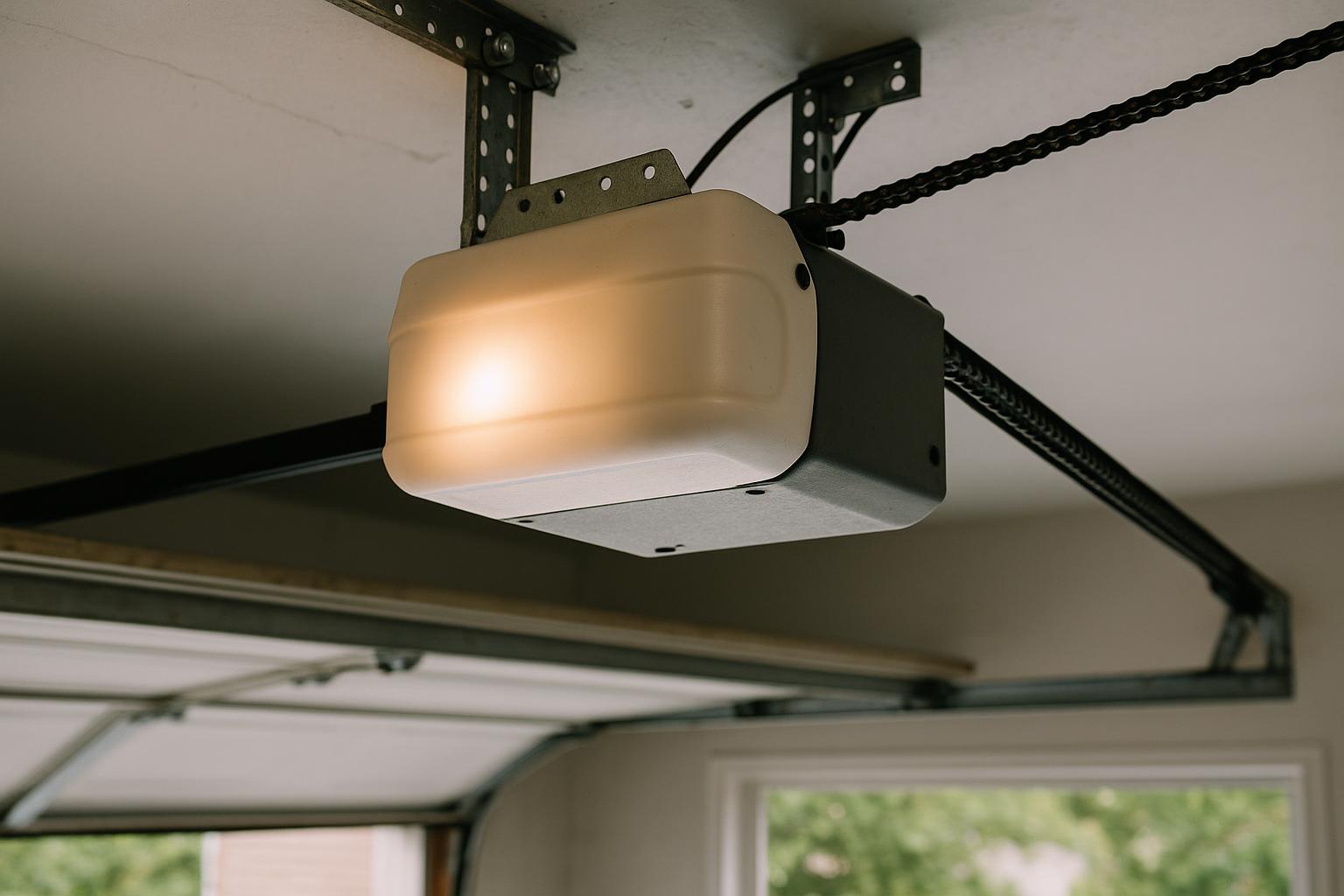
Your Garage Door Opener Won't Last Forever
Your garage door opener is one of those things you don't think about until it stops working. You press the button, the door goes up, you pull into the garage — it's routine. But like any mechanical device, openers wear out over time. Most garage door openers last between 10 and 15 years, depending on usage, maintenance, and the quality of the unit.
For homeowners here in Mohnton, where temperature swings between humid summers and freezing winters put extra stress on garage components, knowing the warning signs of a failing opener can save you from getting stuck outside your own garage on the worst possible day.
Here's how to tell when your garage door opener is on its way out — and what to do before it fails completely.
7 Warning Signs Your Garage Door Opener Is Failing
1. The Opener Makes Unusual or Loud Noises
All garage door openers make some noise, but you should pay attention to changes. If your opener has started grinding, squealing, rattling, or making a straining sound it didn't used to make, something is wearing out internally. Chain-drive openers are naturally louder than belt-drive models, but even they shouldn't sound like they're struggling.
Grinding noises often point to worn gears inside the motor unit. Rattling can indicate loose hardware or a vibrating mounting bracket. Either way, new noises mean something has changed — and not for the better.
2. The Door Moves Slowly or Hesitates
If your garage door used to open smoothly but now hesitates, jerks, or moves noticeably slower than it used to, the opener motor may be losing power. This is especially common in older units where the motor is simply wearing out from years of use.
Before blaming the opener entirely, it's worth checking whether the tracks are clean and the springs are in good shape. But if those components look fine and the door still moves sluggishly, the opener itself is likely the culprit.
3. The Opener Works Intermittently
Sometimes the remote works, sometimes it doesn't. Sometimes the wall button responds on the first press, other times you have to hit it three or four times. Intermittent operation is one of the most frustrating — and most common — signs of a failing opener.
This could be caused by a failing circuit board, a worn-out motor, or electrical issues inside the unit. Start by replacing the batteries in your remote. If the problem persists with both the remote and the wall-mounted button, the issue is almost certainly inside the opener itself.
4. The Opener Runs But the Door Doesn't Move
If you hear the motor running but the door stays put, the internal gears have likely stripped. This is a common failure point, especially in older openers with plastic gears. The motor spins, but the stripped gears can't transfer that motion to the drive mechanism that actually moves the door.
In some cases, a gear replacement can fix this. In others — particularly if the opener is already 10+ years old — it makes more sense financially to replace the entire unit.
5. The Door Reverses for No Apparent Reason
While we've covered sensor-related reversing issues in a previous post, random reversing can also be caused by a malfunctioning logic board inside the opener. If your safety sensors are properly aligned and clean, and the door still reverses unpredictably, the opener's internal electronics may be failing.
6. Vibration Has Gotten Worse
An opener that vibrates excessively during operation is working harder than it should. Over time, this extra vibration can loosen the mounting hardware, stress the ceiling structure, and accelerate wear on the opener itself. If your opener shakes noticeably when it runs, have it inspected before the problem cascades into something bigger.
7. Your Opener Lacks Modern Safety Features
This one isn't a malfunction — it's a safety concern. If your garage door opener was manufactured before 1993, it likely doesn't have auto-reverse functionality or photoelectric safety sensors, both of which have been required by federal law since that year. Older openers without these features pose a real safety risk, especially in homes with children or pets.
If your opener predates these safety standards, replacing it isn't just a convenience upgrade — it's an important safety decision.
Should You Repair or Replace Your Garage Door Opener?
Not every problem requires a full replacement. Here's a general guide:
- Repair if the opener is less than 8 years old and the issue is isolated — like a stripped gear, a faulty remote receiver, or a worn chain.
- Replace if the opener is over 10 years old, requires frequent repairs, lacks modern safety features, or the motor is failing.
A new garage door opener typically costs less than most homeowners expect, and the upgrade in reliability, safety, and noise reduction is significant. Modern belt-drive openers, for example, are remarkably quiet — a real benefit if you have living space above or adjacent to your garage, which is a common layout in many Mohnton homes.
What to Look for in a New Garage Door Opener
If it's time for a replacement, here are the key features to consider:
- Drive type: Belt-drive openers are the quietest. Chain-drive models are durable and affordable. Screw-drive openers have fewer parts but can be noisy.
- Motor power: A 1/2 HP motor handles most standard residential doors. Heavier or oversized doors may need 3/4 HP or more.
- Smart features: Many new openers offer Wi-Fi connectivity, allowing you to monitor and control your garage door from your phone. You can check whether you left the door open from anywhere.
- Battery backup: Power outages happen, especially during storms in Berks County. An opener with battery backup lets you operate the door even when the electricity is out.
- Safety features: Auto-reverse, rolling code technology, and motion-detecting lights all come standard on quality modern openers.
Why Professional Installation Matters
While some handy homeowners attempt DIY opener installation, there are good reasons to have it done professionally. Garage door openers need to be properly mounted, aligned, and calibrated to work safely with your specific door. An improperly installed opener can damage the door, create safety hazards, or simply not work correctly.
The installation also involves electrical work and precise adjustment of force and travel limits — settings that determine how hard the opener pushes the door and exactly where it stops. Getting these wrong can cause the door to slam into the floor, not close completely, or put excessive strain on the springs and cables.
Get Your Opener Checked Before It Fails
If you've noticed any of the warning signs above, don't wait until your opener dies completely — usually at the most inconvenient time possible. At Mohnton Garage Door Repair, we diagnose opener problems quickly and give you honest advice about whether a repair or replacement makes the most sense for your situation and budget.
We serve homeowners throughout Mohnton, Shillington, Wyomissing, Reading, Kenhorst, and Cumru Township with fast response times and straightforward pricing. Whether your opener just needs a tune-up or it's time for a modern replacement, we'll get your garage door working reliably again.