
Your Garage Door Shouldn't Wake Up the Neighbors
If your garage door has started making noises that make you cringe every time you press the button, you're not alone. Noisy garage doors are one of the most common complaints we hear from homeowners in Mohnton and throughout Berks County. The good news? Those sounds are actually useful — they're your garage door's way of telling you something needs attention.
The bad news is that ignoring those noises usually leads to bigger, more expensive problems down the road. Let's break down the most common garage door sounds, what's causing them, and what you should do about each one.
Grinding or Scraping Sounds
A grinding or metal-on-metal scraping noise is one of the more alarming sounds your garage door can make. This typically points to one of a few issues:
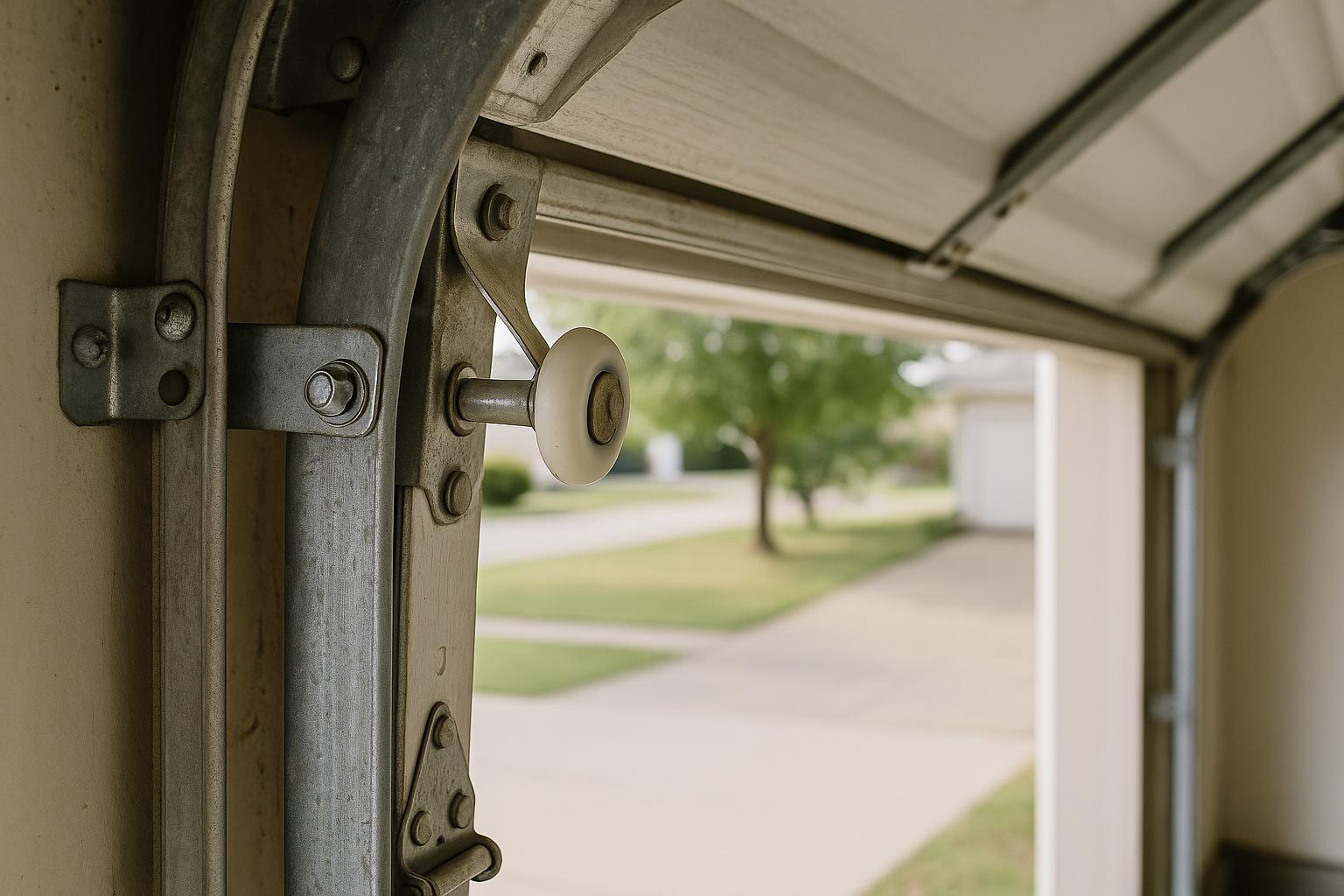
- Worn-out rollers: Garage door rollers, especially the older steel variety, wear down over time. When the bearings inside them fail, you'll hear a harsh grinding sound as the door moves along the tracks. Upgrading to nylon rollers can dramatically reduce noise and extend the life of your system.
- Misaligned tracks: If the vertical or horizontal tracks have shifted even slightly, the door can scrape against them as it moves. This not only creates noise but also puts extra stress on the entire system, including the opener.
- Dry or damaged hinges: The hinges that connect your door panels can grind when they lack lubrication or when the hinge holes have become worn and elongated.
If you're hearing grinding sounds, it's worth having a technician inspect the door before a minor alignment issue turns into a major repair.
Squealing or Squeaking
A high-pitched squeal every time your garage door opens or closes is usually a lubrication problem. The moving parts of your garage door — rollers, hinges, springs, and bearings — all need periodic lubrication to operate smoothly.
Here's what you can do:
- Apply a silicone-based or lithium-based garage door lubricant to the rollers, hinges, and springs.
- Avoid using WD-40 as a long-term lubricant — it's great for loosening stuck parts but doesn't provide lasting lubrication.
- Lubricate the bearing plates at the top of the door and the opener's rail if applicable.
Many Mohnton homeowners are surprised at how much quieter their garage door becomes after a simple lubrication. We recommend doing this at least twice a year — once in spring and once in fall — as part of basic garage door maintenance.
Rattling or Vibrating Noises
Rattling sounds usually mean something is loose. Over time, the constant vibration of a garage door opening and closing hundreds of times a year can loosen nuts, bolts, and screws throughout the system. Common culprits include:
- Loose hardware: Check the brackets that hold the tracks to the wall and ceiling, as well as the bolts on the hinges and roller brackets. A socket wrench can tighten most of these, but be careful — the bottom brackets are under extreme tension from the cables and should only be adjusted by a professional.
- Chain drive opener: If you have a chain drive garage door opener, some rattling is normal. However, excessive noise could mean the chain has loosened and needs adjustment. Belt drive openers are significantly quieter if noise is a major concern for you.
- Loose opener mounting: The opener unit itself can vibrate against the ceiling if the mounting brackets or supports have loosened. Anti-vibration pads can help reduce this noise.
Popping or Banging Sounds
A loud pop or bang when your garage door starts moving is often related to the torsion springs. As springs age, they can develop flat spots or lose tension unevenly, causing them to "pop" as they engage. This sound can also occur when:
- The springs haven't been properly lubricated and are sticking
- The torsion tube is shifting on its bearings
- A panel hinge is binding and then releasing suddenly
Important safety note: Never attempt to adjust or repair torsion springs yourself. These springs are under tremendous tension and can cause serious injury. If you suspect your springs are the source of banging noises, call a professional right away.
Clicking or Ticking Sounds
Repetitive clicking as the door moves is often caused by something caught in the track, a small piece of debris on a roller, or a worn gear inside the opener. If the clicking is coming from the opener unit itself, it could indicate that the drive gear or sprocket is wearing out. This is especially common in older openers that have been in service for 10 or more years.
A quick visual inspection of the tracks and rollers can sometimes reveal the problem. Clear away any debris, pebbles, or buildup you find in the tracks. If the clicking persists and seems to be coming from the opener, it's time for a professional diagnosis.
When to DIY and When to Call a Pro
Some garage door noise issues are simple enough for a handy homeowner to address. Lubrication, tightening loose bolts, and clearing debris from the tracks are all reasonable DIY tasks. However, there are situations where calling a professional is the safest and smartest choice:
- Any issue involving the springs, cables, or bottom brackets
- Track realignment or replacement
- Opener motor or gear problems
- Noises accompanied by the door shaking, jerking, or moving unevenly
- Any situation where you're unsure of the cause
Attempting repairs on high-tension components without proper training and tools is one of the most dangerous DIY mistakes a homeowner can make.
A Tune-Up Can Solve Most Noise Problems
Here in Mohnton, many of the noisy garage doors we service just need a thorough tune-up. During a maintenance visit, we inspect every component of the system — rollers, hinges, springs, cables, tracks, weatherstripping, and the opener — and address small issues before they become costly repairs.
Regular maintenance not only keeps your garage door quiet but also extends its lifespan significantly. Most manufacturers recommend annual professional maintenance, and many homeowners in Shillington, Wyomissing, and the surrounding areas schedule tune-ups alongside their seasonal home maintenance routines.
Don't Ignore the Noise
A noisy garage door is more than just an annoyance — it's a warning sign. The longer you ignore unusual sounds, the more likely you are to face a breakdown at the worst possible time. Whether it's a simple lubrication issue or a sign that your springs are nearing the end of their life, getting it checked out early saves you money and headaches.
If your garage door has been getting louder and you're not sure what's causing it, Mohnton Garage Door Repair is here to help. We'll diagnose the problem, explain your options honestly, and get your door running smoothly and quietly again. Give us a call or reach out online to schedule a service visit.